Introduction
Easy tips to improve your photography skills You might think photography is just about clicking a button, but there’s way more to it. Photos grab moments and feelings that words can’t always reach. These days, everyone’s snapping pictures all the time, but let’s be real-there’s a big difference between a decent photo and one that actually makes you stop and look.
A lot of people starting out believe only fancy cameras can make great images. That’s really not true. The magic usually comes from paying attention to a few basics and practicing them. Even a regular phone can capture something amazing if you know what to look for.
If you’re just getting into photography, I’ve got some straightforward tips that’ll help you go from just taking pictures to making them.
Get to Know Your Camera
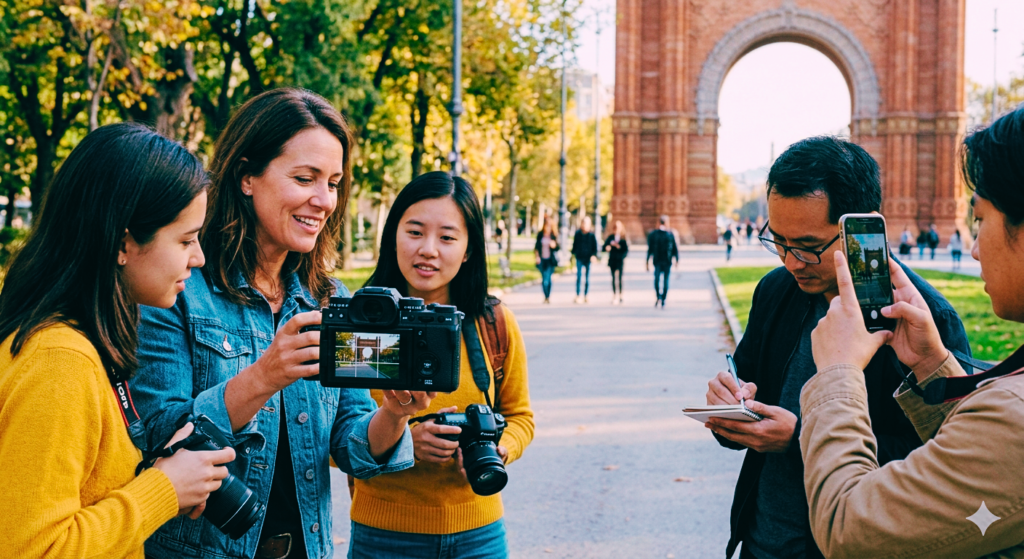
Before you try to level up your photos, take a little time to figure out how your camera works. Doesn’t matter if it’s a DSLR, mirrorless, or your phone—knowing the basics is key.
Focus, exposure, ISO, shutter speed, and aperture—these are your main tools. You don’t need to memorize every detail right away, but understanding what these settings do for brightness, sharpness, and motion gives you way more control.
Once you’re comfortable with your camera, you’ll start shooting with more confidence.
Easy tips to improve your photography skills:Watch the Light
Lighting can make or break a photo. Even a boring subject looks good with the right light.
Natural light is your friend, especially when you’re starting out. Try shooting in the early morning or late afternoon-photographers call this “golden hour” for a reason. The light is softer and warmer, and colors pop.
Midday sun? Skip it if you can. It’s harsh, and your photos end up with deep shadows and blown-out highlights. Indoors, get close to a window. Allow the natural light to do its thing.
How you arrange stuff in your shot matters. Good composition can lift any photo.
One trick is the Rule of Thirds. Picture a tic-tac-toe grid over your image. Instead of sticking your subject dead center, try lining it up with those grid lines or where they cross. It just looks better.
Some other quick tips: steer clear of messy backgrounds, use lines in your scene to guide the viewer’s eyes, and don’t be afraid to leave a little empty space around your subject.
Easy tips to improve your photography skills: Keep Things Steady
Blurry photos are a rookie mistake, and shaky hands are usually to blame.
Use both hands. Tuck your elbows in. Take a breath and stay still when you tap the shutter. If you have a tripod, use it-especially in low light. Sharp photos always stand out.
Make Your Subject Clear
Every photo needs a hero. When someone looks at your picture, they should know right away what you want them to see.
Before you snap, ask yourself:
1.What’s the subject?
2.What story am I telling?
3.Is there anything in the way?
Clear out anything distracting, and if you can, move closer instead of zooming in. You’ll get better detail that way.
Easy tips to improve your photography skills:Try New Angles
Most people shoot at eye level, but sometimes that gets boring.
Mix it up. Get low to the ground, shoot from up high, move around your subject, or zoom in on the details. Changing your perspective can totally change the mood of your photo.
Take a flower, for example. Shoot it from ground level, and suddenly it’s a whole different scene.
Use the World as Your Frame
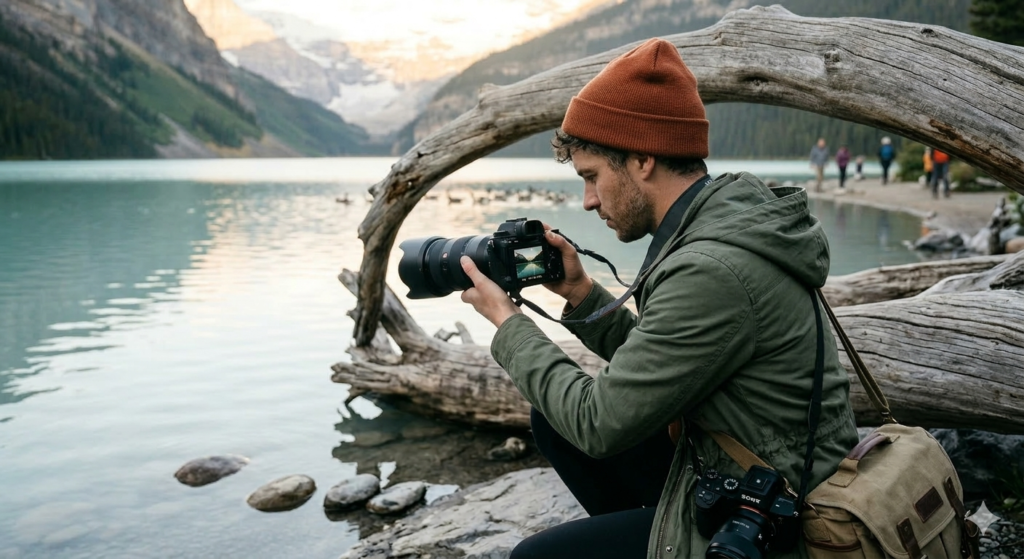
Look for things in your environment that can frame your subject-tree branches, windows, doorways, fences. These little “frames” draw attention right where you want it and add depth to your shot.
You see this trick a lot in travel and nature photos. It works.
Easy tips to improve your photography skills: Be Patient
Good photos rarely just happen. Sometimes you have to wait.
1.Wildlife photographers might sit for hours for that one perfect moment.
2.Landscape shooters wait for just the right light.
3.Street photographers hang around for the shot where everything lines up.
Take your time. Look around. The more patient you are, the more you notice—and those little moments make the best photos.
Edit Your Photos Lightly
Editing can take your photos up a notch, but don’t go overboard. The best edits just clean things up—they don’t totally change what you shot.
You can tweak the basics: bump up the brightness, play with contrast, sharpen things a bit, or adjust the colors. That’s usually enough. These days, there are tons of beginner-friendly apps out there, so you don’t need fancy software or hours of tutorials to get started.
The main thing is to keep your photos looking real. Push it too far, and your pictures start looking fake. Less is more here.
Practice Regularly
Honestly, the fastest way to get better is simple: just keep shooting.
Make a habit of taking photos, and don’t stick to just one thing. Try snapping nature, hit the streets, take portraits, or even mess around with food photography. Switching it up helps you see what you like and what you’re good at.
Look back at your old photos every now and then. Notice what works, where you missed the mark, and what you want to try next. Every photographer starts somewhere—even the pros were beginners once.
Conclusion
You don’t need the latest gear or years of classes to take better photos. If you learn a few basics and actually practice them, you’ll see real progress.
Pay attention to things like light, how you frame your shot, and don’t be afraid to experiment. Small changes add up. Over time, you’ll notice your photos getting stronger and more interesting.
Photography is about more than just the technical stuff—it’s about seeing, creating, and telling a story. Every photo is a chance to try something new and show the world how you see things.
So just grab your phone or camera, wander around, and start shooting. Stick with it. Before long, you’ll surprise yourself with how far you’ve come and the photos you can create.