
Introduction: Understanding the Importance of Sabr in Islam
In Islam, Sabr commonly translated as patience—holds a position of immense importance. However, its meaning goes far beyond silently enduring hardship or passively accepting suffering. Sabr is an active and conscious strength that allows a believer to remain firm in faith, control emotions, and trust Allah in every situation of life. It is a quality that shapes character, strengthens belief, and brings peace to the heart.
Life is filled with uncertainty, challenges, and trials. Islam teaches that Sabr is the key that helps a believer navigate both ease and difficulty with wisdom and dignity.
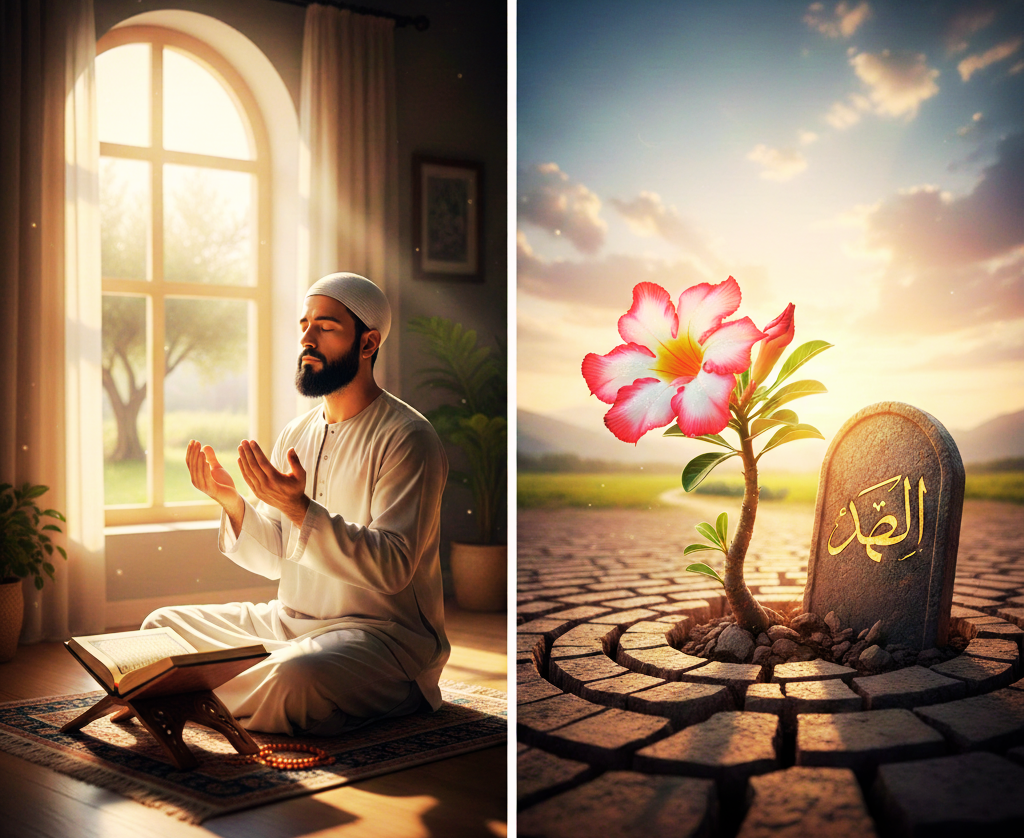
The True Meaning of Sabr in Islam
The Arabic word Sabr literally means to restrain or hold oneself back. In Islamic teachings, it refers to self-control, perseverance, and steadfastness in obedience to Allah.
Sabr is not weakness or silence in the face of injustice. Rather, it is the ability to remain balanced, thoughtful, and faithful while responding to life’s challenges in a manner that pleases Allah. It requires emotional discipline and spiritual awareness.
Life as a Test: Why Sabr Is Necessary
Every human being faces tests—loss, illness, financial hardship, emotional pain, disappointment, or uncertainty. Islam clearly states that these trials are not random or meaningless. They are part of Allah’s divine plan to test faith and refine character.
A believer who practices Sabr understands that hardship carries wisdom, even when it is not immediately visible. Through patience, challenges become opportunities for growth rather than sources of despair.
The High Status of Sabr in the Qur’an
The Qur’an repeatedly emphasizes the value of patience and assures great rewards for those who practice it. Allah praises those who remain patient and promises that their endurance will not go unnoticed.
This repeated emphasis shows that Sabr is not a minor virtue. It is a core principle of faith that leads to spiritual elevation, closeness to Allah, and ultimate success in the Hereafter.
The Three Main Types of Sabr in Islam
Islamic scholars generally divide Sabr into three main categories, each playing a vital role in daily life:
1. Patience in Obedience to Allah
This form of Sabr involves remaining consistent in worship and righteous actions. Performing prayers regularly, fasting, giving charity, and staying truthful—especially when it is difficult—require patience and discipline.
2.Sabr in Islam: Patience During Hardship and Trials
This type of Sabr appears during moments of pain, loss, illness, or failure. Instead of falling into despair or questioning Allah’s wisdom, a patient believer remains hopeful and trusts Allah’s mercy.
Such patience brings emotional stability and prevents bitterness, allowing the heart to heal over time.
3. Patience in Avoiding Sin
Resisting temptation, controlling anger, and staying away from harmful desires require strong self-restraint. This form of Sabr protects a person’s character, relationships, and spiritual well-being.
Avoiding wrongdoing for the sake of Allah is one of the highest expressions of inner strength.
The Prophet Muhammad ﷺ: The Perfect Example of Sabr in Islam
The life of Prophet Muhammad ﷺ is the ultimate example of patience in action. He faced rejection, mockery, persecution, and immense personal loss. Yet, he responded with wisdom, forgiveness, and unwavering trust in Allah.
His patience was not passive. It was purposeful and dignified. He never allowed anger or revenge to guide his actions, teaching Muslims that true strength lies in self-control and reliance on Allah.
Sabr and Mental & Emotional Well-Being
In today’s fast-paced and stressful world, Sabr plays a crucial role in maintaining mental and emotional health. Patience teaches a person to pause, reflect, and respond thoughtfully instead of reacting impulsively.
A patient heart is calmer, more focused, and less overwhelmed by anxiety. This inner peace helps prevent regretful decisions and strengthens emotional resilience.
The Relationship Between Sabr and Trust in Allah
Sabr is deeply connected to Tawakkul—placing trust in Allah. When a believer practices patience, they acknowledge that Allah’s plan is perfect, even if it is not immediately understood.
This trust removes excessive fear of the future and brings comfort during uncertainty. It reminds the believer that Allah is always in control.
Are Hardships Punishment or Mercy?
Many people assume that hardship is a sign of punishment. Islam teaches otherwise. Difficulties can be a form of mercy, purification, and elevation in status.
Through Sabr, hardships cleanse sins, break arrogance, and draw a person closer to Allah. What appears painful on the surface may carry hidden blessings beneath.
How Sabr Strengthens Faith Over Time
With each test endured patiently, a believer’s faith grows stronger. Over time, they begin to see challenges as temporary and meaningful rather than overwhelming.
Sabr nurtures humility, resilience, and dependence on Allah instead of worldly solutions alone. This spiritual maturity transforms how a person views life itself.
Practical Ways to Develop Sabr in Daily Life
Developing patience is a gradual process. Some effective ways include:
- Performing daily prayers with focus
- Making du‘a during difficulty
- Controlling anger and delaying reactions
- Reflecting on the temporary nature of life
- Reading and understanding the Qur’an
Small consistent habits lead to lasting patience.
Conclusion: Sabr as a Way of Life
Sabr is one of the strongest qualities a Muslim can develop. It safeguards faith during hardship, refines character, and brings inner peace. A life guided by patience becomes balanced, meaningful, and spiritually rich.
Islam does not promise a life free of pain, but it guarantees that patience is never wasted. Every moment of endurance, every silent prayer, and every controlled emotion is known to Allah.
Sabr is not merely waiting—it is moving forward with faith, strength, and trust in Allah.